
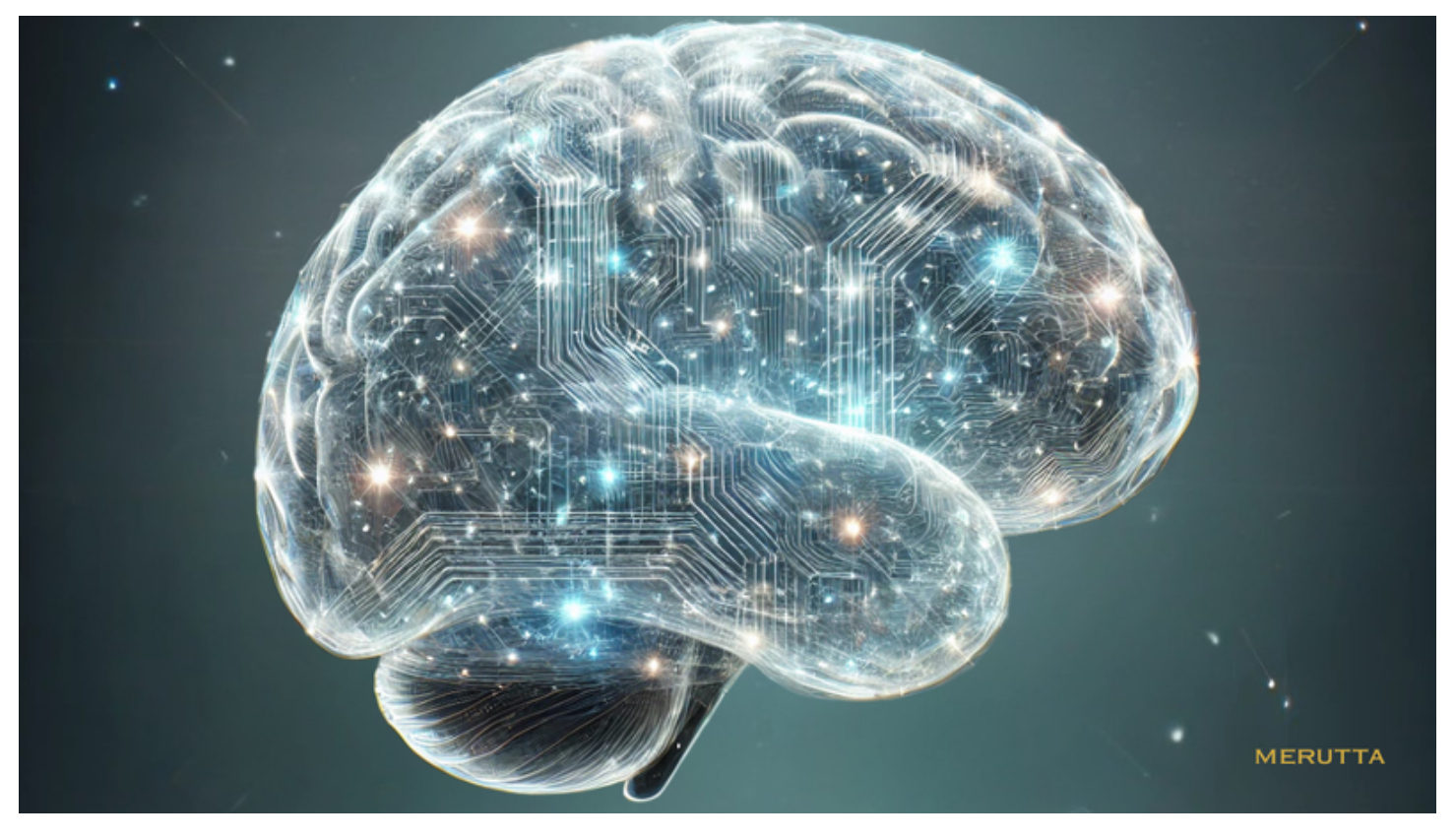
The Transformation of Human Intelligence in the Age of Technology.
Modern human intelligence is undergoing a profound transformation under the influence of digital technologies and artificial intelligence. This evolution affects not only cognitive functions—memory, attention, thinking—but also the very nature of human interaction with information and with the world.
Distributed and Hybrid Intelligence
One of the key changes is the transition to distributed intelligence, in which cognitive load is shared between humans and external systems. Artificial intelligence takes on data storage, information filtering, and the solution of routine tasks. This frees humans for more complex forms of thinking—analysis, creativity, and decision-making.
The concept of hybrid intelligence is developing—a symbiosis of the human mind and machine algorithms. Such systems combine the logic and computational power of AI with human intuition, ethics, and the ability for contextual understanding. The goal is not to replace humans, but to enhance their cognitive capabilities.
Changes in Cognitive Functions
Technologies have a dual impact on thinking:
Memory: the need to memorize facts decreases (“digital forgetfulness”), but the ability for rapid access and associative search increases.
Attention: constant notifications and task switching fragment attention; however, AI filters can help focus on relevant information.
Critical thinking: there is a risk of unquestioning trust in AI, but with competent use—an opportunity to develop skills of verification, analysis, and comparison of sources.
Problem solving: AI offers strategies and prompts, teaching logic, but excessive dependence may weaken the ability for independent analysis.
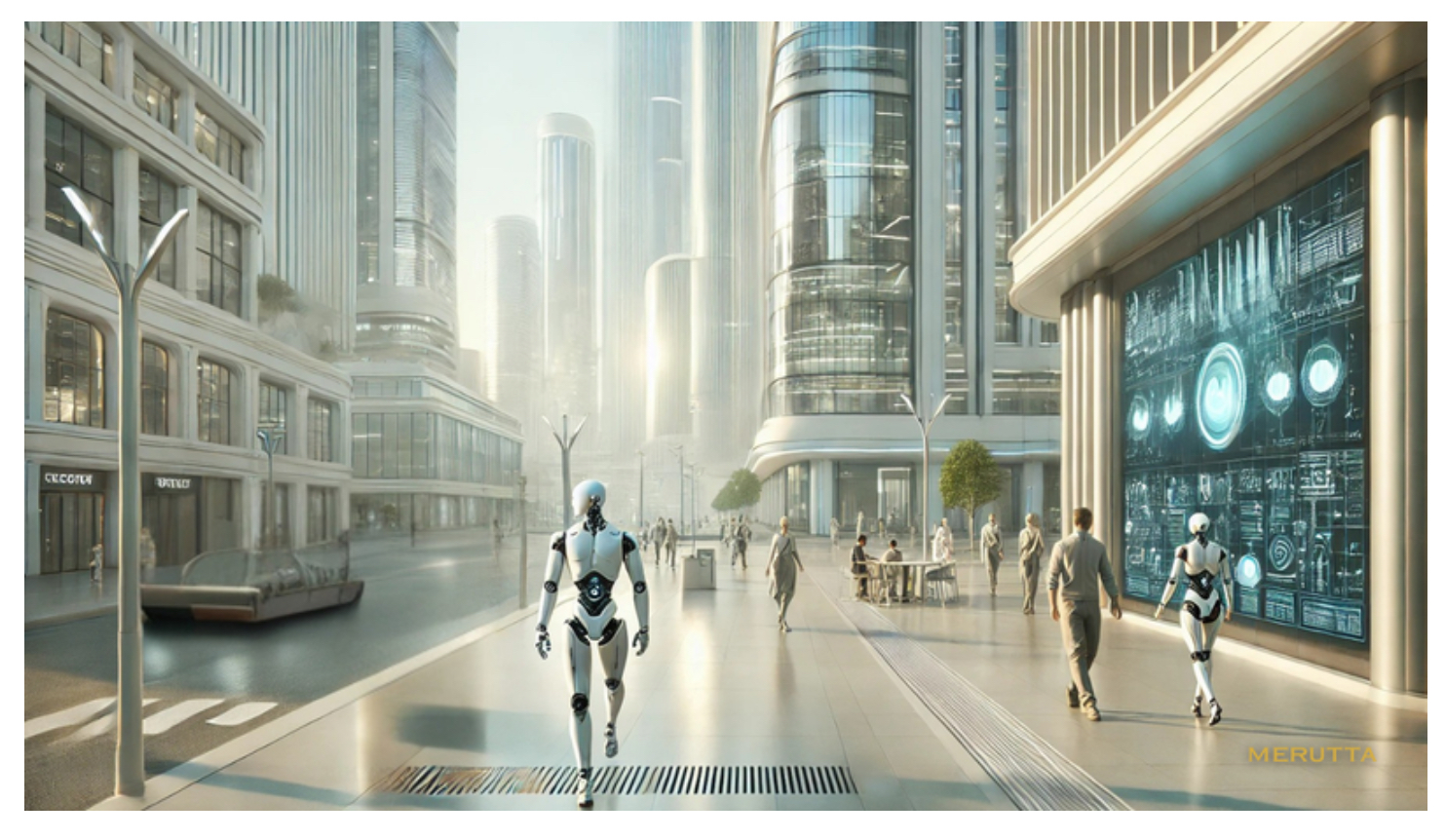
New Forms of Consciousness
Some researchers suggest that the digital environment facilitates a transition from formal-logical thinking to more transpersonal forms of consciousness, including expanded states of perception and collective intelligence. Network technologies enable the instantaneous exchange of knowledge, forming a global informational field.
Conclusion
The transformation of intelligence is not a loss of abilities, but their redistribution. The human mind adapts by integrating technologies as an extension of itself. The future belongs to a symbiosis in which humans remain at the center, defining goals, values, and ethical boundaries, while AI serves as a powerful tool for expanding cognitive capabilities.
MERUTTA – Independent Cultural House.
Films. Essays. Podcasts. Aesthetic intelligence:
https://merutta.com/
https://shop.merutta.com/
https://ko-fi.com/meruttamedia
https://medium.com/@MERUTTA
https://odysee.com/@merutta:a
https://rumble.com/user/Merutta_Channel